Wandsworth Common bulky rubbish pickup tips for residents
Posted on 12/08/2026
If you live near Wandsworth Common, bulky rubbish has a way of building up quietly. One chair that is no longer sturdy. A mattress that has been "temporarily" stored in the spare room. A broken desk sitting by the hallway like it owns the place. Truth be told, most residents do not need a lecture on clutter. They need clear, local, workable Wandsworth Common bulky rubbish pickup tips for residents that help them move things out without stress, wasted time, or unnecessary cost.
This guide is for anyone who wants a clean-out to feel manageable, not chaotic. You will find practical advice on preparation, lifting safety, pickup options, compliance, and the little details people often forget until the day before collection. If you are comparing removal choices more broadly, our services overview can also help you understand how different waste solutions fit together.
And yes, we'll keep this grounded. No fluff. No vague "just call someone" advice. Let's get into what actually helps.
Expert summary: The best bulky waste collection is the one you prepare properly. Sort items early, separate hazardous materials, measure access routes, and choose a collection method that matches the size, urgency, and condition of the items. Small preparation saves a lot of mess later.
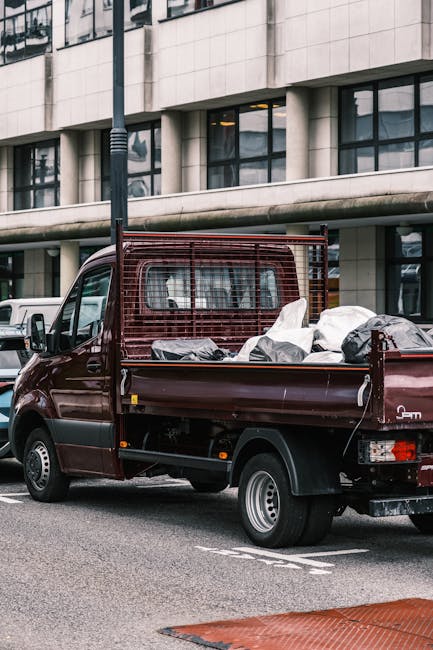
Why Wandsworth Common bulky rubbish pickup tips for residents Matters
Bulky rubbish is different from ordinary household waste. It is larger, awkward to carry, often too heavy for one person, and sometimes made up of mixed materials that should not just be shoved into a general bin. That matters in a neighbourhood like Wandsworth Common, where many homes have tight hallways, shared entrances, limited roadside space, or parking restrictions that can turn a simple clear-out into a bit of a logistical puzzle.
The main reason residents look for bulky rubbish pickup tips is usually simple: they want to avoid making the process harder than it needs to be. A sofa can be broken down. A wardrobe can be dismantled. But if you leave the planning until collection day, you may discover a few annoying things at once: the item will not fit through the front door, the lift is too small, the van cannot stop nearby, or the collection provider needs extra notice. Lovely. Really lovely.
It also matters for safety. Heavy furniture, broken appliances, and sharp edges are the sort of thing that can lead to injuries or damage to walls, floors, and communal areas. In our experience, most problems happen not because people are careless, but because they are in a rush. A calmer plan usually solves more than brute force ever will.
There is also a neighbourly side to this. Nobody enjoys seeing bulky items left on pavements longer than necessary. Good preparation keeps shared spaces tidy and reduces the chance of complaints. That is especially useful in residential streets where people notice everything at 7:30 in the morning, before the kettle has even boiled.
How Wandsworth Common bulky rubbish pickup tips for residents Works
At a practical level, bulky rubbish pickup works in one of three ways. You either arrange a council-style collection if available to you, use a private waste removal service, or take the items to an approved disposal route yourself if you have the means and the vehicle. The right method depends on volume, item type, timing, and how much lifting you are willing to do.
For residents, the process usually starts with identifying what counts as bulky waste. This often includes mattresses, wardrobes, tables, sofas, chairs, exercise equipment, broken shelving, and similar large household items. Not everything bulky is treated the same way, though. Electrical items, items containing gas, or anything with unsafe contents may need separate handling. So the first step is not loading a van. It is looking closely at what you actually have.
Once you know the items, you can think about access. Will they fit through the staircase? Is there lift access? Can the vehicle stop nearby without blocking a neighbour, a corner, or a loading area? These practical details matter more than most people expect. If you want a more general view of how collection and removal services work across the borough, our rubbish collection in Wandsworth page is a useful companion read.
Then comes preparation. Ideally, the items should be sorted, emptied, and separated by type. Loose screws, drawers, cushions, and shelves often make pickup slower than necessary. A bit of tape, a marker pen, and fifteen minutes of sorting can make the whole job easier. Small effort. Big difference.
Key Benefits and Practical Advantages
The most obvious benefit is space. Once the bulky item is gone, the room feels different almost immediately. A hallway opens up. A spare bedroom stops feeling like storage. Even a single cleared corner can make a home feel calmer. That sounds sentimental, maybe, but anyone who has lived with an old sofa in the way knows exactly what I mean.
Another benefit is efficiency. Good bulky rubbish pickup tips reduce the chance of failed collections, repeat visits, or surprise delays. That means less time spent moving items twice, and fewer arguments with the front door because the wardrobe is somehow wider than it looked yesterday. Funny how that happens.
There is also the safety angle. Properly handled bulky waste reduces the risk of trips, scratches, broken tiles, and strained backs. In shared buildings, this matters even more because a heavy item moved badly can damage walls, banisters, and communal floors. You want the item out, not a repair bill to follow it.
For households planning larger clear-outs, bulky waste removal can be part of a bigger reset rather than a one-off panic. It can support a move, a renovation, or a proper declutter before selling or renting a property. Residents considering a wider home clearance often find our house clearance in Wandsworth page useful when the job is bigger than a single sofa or mattress.
And finally, there is the sustainability element. A thoughtful approach makes it more likely that reusable items are treated appropriately and that waste is separated sensibly. If you care about reducing unnecessary disposal, the site's recycling and sustainability guidance is worth a look.
Who This Is For and When It Makes Sense
This advice is for renters, homeowners, landlords, and managing agents in and around Wandsworth Common who need to remove large household items without turning the whole week upside down. It is especially useful if you have stairs, limited parking, a shared entrance, or a deadline that is not negotiable.
It also makes sense if you are dealing with a small number of awkward items rather than a full property clearance. A broken sofa, old bed base, and a few cupboards are the classic "too much for normal bins, not quite a full skip" situation. That middle ground is where sensible planning pays off.
There is a common moment when residents realise they need proper help: they drag the first item to the door and immediately understand it is not going to be as easy as expected. A wardrobe, for instance, can be fine in a bedroom but suddenly become a geometry problem in the hallway. If that has happened to you, you are not alone.
These tips also fit people preparing for a sale, a tenancy change, or a renovation. If property presentation matters to you, some of our broader local articles, such as local insights on living in Wandsworth and Wandsworth real estate deals, may be useful for understanding why clean, uncluttered spaces matter so much in this area.
Step-by-Step Guidance
If you want the smoothest possible pickup, follow a simple sequence instead of trying to do everything in one frantic burst on collection day.
- Make a full list of the bulky items. Write down each item, including approximate size and whether it can be dismantled. Be honest here. "Large chair" is not as helpful as "two-seater sofa with removable legs."
- Separate ordinary waste from reusable or special items. Put aside anything that should not go into a mixed load, such as batteries, paint, or anything with sharp, leaking, or hazardous contents.
- Measure doorways, hallways, and stairs. This sounds obvious, yet people often skip it. If an item will not fit through the route, it needs dismantling before pickup.
- Clear the access path. Move shoes, mats, bins, and little obstacles out of the way. A clear route saves time and helps avoid scrapes.
- Break down items where possible. Remove cushions, drawers, legs, and loose fittings. If you can safely dismantle something, do it early.
- Group items by collection order. Keep the heaviest items closest to the exit, but only if that can be done safely.
- Check vehicle access and parking. If a collection van needs to stop nearby, think about the practicalities in advance. No one enjoys circling the block looking for a patch of road space.
- Take photos if you are requesting a quote. Clear pictures from more than one angle usually help a provider give a better estimate.
- Confirm the pickup window and any special instructions. Make sure everyone involved knows where items will be left and who will be home.
- Do a final sweep before the team arrives. Look for loose screws, glass, hidden drawers, and forgotten cables. They have a way of turning up at the worst moment.
If your clear-out includes furniture or appliances from a more complex project, you may also want to look at our waste removal in Wandsworth service details to understand how mixed loads are usually handled.
Expert Tips for Better Results
Here is the bit that often gets missed: the best bulky rubbish pickup is usually the one that is prepared like a small project, not a quick favour. A little planning gives you more control over timing, cost, and stress.
First, dismantle what you can without forcing it. If a bed frame or shelving unit can come apart cleanly, do it before pickup. Forcing stuck fittings late at night is how people end up with sore shoulders and one extra mystery bolt on the floor.
Second, keep screws, brackets, and fittings together. A labelled bag taped to the item or stored in a single box is far better than loose hardware rolling under the radiator. You may not need those parts again, but someone usually does.
Third, be realistic about weight. A chest of drawers that looks manageable can become awkward quickly once you are halfway down the stairs. Two people moving in sync is often safer than one strong person trying to "just get it done".
Fourth, think about weather and timing. A damp morning, a wet pavement, or a busy school-run window can make access much harder. If you can choose a quieter time slot, do it. You will notice the difference.
Fifth, ask how items will be handled after pickup. Residents increasingly want to know what happens next, especially with reusable furniture and electrical items. A transparent approach is reassuring, and it is one reason many people prefer to work with companies that talk openly about disposal and reuse rather than being vague about it.
If you are comparing broader service types, it can help to understand the difference between a targeted pickup and a wider clearance. Our builders waste disposal in Wandsworth page shows how project waste differs from domestic bulky waste, which is useful if you are mixing old furniture with renovation debris.
And a small practical note: if you live in a flat, let neighbours know if items will be moved through shared spaces. A quick heads-up avoids friction. Not every neighbour will care, but the one who does can care very deeply indeed.

Common Mistakes to Avoid
One of the most common mistakes is leaving everything until the last minute. That usually leads to rushed lifting, poor sorting, and forgotten access issues. The collection then becomes a scramble instead of a plan. Nobody needs that on a Tuesday morning.
Another mistake is assuming every item can be treated the same way. A mattress, broken office chair, and electrical unit are not always handled the same way, even if they all look like "junk" to the person standing in the hallway. Sorting matters.
People also underestimate access. A clear corridor sounds easy enough until the bikes, plant pots, umbrella stand, and hallway bench all need moving. Suddenly the route narrows. Suddenly the item won't turn. Funny, that.
Some residents forget to empty drawers, cupboards, and compartments. That makes items heavier and can cause things to fall out during moving. We have all seen the odd sock that appears from nowhere. Best to avoid that kind of surprise.
Finally, don't book the smallest possible option just to save a bit upfront if you know the load is larger. An under-sized collection can cost more in the long run if it has to be split into two visits or rescheduled. If you want clarity before committing, the pricing and quotes page is a sensible place to start.
Tools, Resources and Recommendations
You do not need a garage full of equipment to prepare bulky waste properly. In most homes, a few basic tools are enough to make the job much easier.
- Heavy-duty gloves for grip and hand protection.
- Measuring tape for checking doorways and stair turns.
- Screwdrivers and Allen keys for dismantling furniture.
- Strong bin bags or storage boxes for fittings, cushions, and loose parts.
- Marker pen and tape to label parts clearly.
- Floor protection such as blankets or cardboard if you are moving large items through tight spaces.
- Two-person lift approach for awkward or heavy pieces. Simple, but effective.
In terms of process, a good recommendation is to take five photos of the items before any lifting begins: one from the front, one from the back, one from each side, and one showing access. This is not glamorous. It is just useful. Those photos help you avoid nasty surprises.
If you are also planning a garden clear-out, it may be worth pairing bulky furniture removal with a separate seasonal tidy-up. Our garden waste removal in Wandsworth service page is relevant when the job includes pots, clippings, old outdoor furniture, or shed contents.
Residents who like to understand the company behind the service may also want to review about us, insurance and safety, and payment and security before booking. That's just good due diligence, really.
Law, Compliance, Standards, or Best Practice
For bulky waste, the key point is simple: waste should be handled responsibly and by people who are authorised and equipped to deal with it. Residents do not need to become legal experts, but they should be cautious about handing waste to anyone who cannot explain how it will be transported and processed.
In the UK, householders still have a duty to take reasonable care over where their waste goes. That means you should not just assume that a quick collection from the kerb is the end of the story. Ask questions, keep records where appropriate, and avoid any arrangement that feels vague or too cheap to be believable. If someone is unwilling to explain the basics, that is a red flag. Usually a fairly loud one.
Best practice also means separating items sensibly, especially where there is a mix of furniture, electrical appliances, and miscellaneous household clutter. This reduces the risk of cross-contamination and helps keep reusable items from being damaged in transit. It is better for safety and usually better for the environment too.
For residents, another part of best practice is communal consideration. Keep routes clear, avoid leaving items in shared areas longer than necessary, and do not place bulky rubbish where it could obstruct access or create a hazard. That is not just courteous. It is practical.
If you are reviewing website policies before using a service, the site also makes its operating approach clearer through terms and conditions, privacy policy, cookie policy, and the company's accessibility statement. Not the most exciting reading, granted, but useful when you want a full picture.
Options, Methods, and Comparison Table
There is no single "best" way to deal with bulky rubbish. The right choice depends on how much you are clearing, how quickly it needs to go, and whether you want help with lifting and loading.
| Method | Best for | Pros | Considerations |
|---|---|---|---|
| Local council-style collection | One-off domestic items | Simple for smaller jobs, familiar process | May have booking limits, specific item rules, or lead times |
| Private bulky waste pickup | Fast removals, awkward access, mixed household items | Convenient, flexible, includes loading support | Cost varies by volume, access, and item type |
| Full house or room clearance | Larger declutters, moves, probate, tenant changeovers | Covers more items in one visit | May be more than you need for a small job |
| DIY disposal | People with transport and lifting help | Can suit confident, organised residents | Time-consuming, physical, and not ideal for bulky or heavy loads |
For many residents, private pickup sits in the sweet spot. It is especially practical where there are stairs, narrow entrances, or a tight schedule. If your needs expand beyond one or two items, compare that option with a more complete house clearance in Wandsworth or a broader waste removal approach.
Residents living in flats may find our SW18 rubbish removal guide for flats on Wandsworth High Street especially helpful, because flat access changes the whole game a bit.
Case Study or Real-World Example
Here is a realistic example. A resident near Wandsworth Common decides to clear a spare room before family arrives at the weekend. The room contains a bed base, two bedside cabinets, an old desk, and a worn armchair. Nothing dramatic. Just enough to make the room feel cramped and slightly stressful every time the door opens.
Instead of waiting until Saturday morning, they start on Thursday evening. They measure the door frame, remove the drawers, unscrew the desk legs, and place all fixings in a labelled bag. The armchair gets checked for loose cushions. The hallway is cleared of shoes and a hallway bench. The resident also notices that the bed base will need two people to carry it properly because the stair turn is tighter than expected. Good catch.
On collection day, everything is already grouped near the exit. The access route is clean. The items are ready. The pickup is quicker, quieter, and less disruptive than it would have been otherwise. No repeated dragging. No arguments with the staircase. No "why is this so much harder than it looked?" moment.
That is really the point of good bulky rubbish pickup tips: they save energy before the hard part begins. Most of the work happens in the planning, not the lifting.
Practical Checklist
Use this simple checklist before your pickup:
- List every bulky item clearly.
- Separate anything hazardous or unsuitable for mixed disposal.
- Measure access points and stair turns.
- Clear hallways, landings, and doorways.
- Dismantle furniture where safe to do so.
- Remove drawers, cushions, shelves, and loose parts.
- Bag and label screws, brackets, and fixings.
- Take clear photos if you need a quote.
- Confirm the collection time and access instructions.
- Check parking or stopping space near the property.
- Keep communal areas tidy before and after pickup.
- Do a final sweep for small parts and sharp edges.
If you are juggling multiple waste streams at once, it can help to review the broader services overview one more time so you can match the service to the job rather than forcing the job to fit the service.
Conclusion
Bulky rubbish does not have to become a weekend-long headache. With the right preparation, Wandsworth Common residents can handle old furniture, broken items, and room clear-outs in a way that is safer, tidier, and far less stressful than winging it. The best results usually come from a simple formula: sort early, measure access, separate special items, and choose the right removal method for the size of the job.
That may sound straightforward, and in many cases it is. But the difference between a smooth pickup and a messy one is often just a few practical decisions made beforehand. A bit of tape. A quick measurement. A sensible lifting plan. Nothing fancy. Just good housekeeping, really.
And if there is one final takeaway, it is this: do not wait until the item becomes a nuisance in every sense. Deal with it while the job still feels manageable. You will thank yourself later, probably with a much clearer hallway and a cup of tea that tastes better because the clutter is finally gone.
Get a free quote today and see how much you can save.


Copyright © . House Clearance Wandsworth. All Rights Reserved.